A Definitive Guide to Budgets, Trays, and the Sacred Rites
In every person’s life, a wedding is not merely a day of celebration, but a sacred milestone marking maturity, the union of two families, and the solemn witness of our ancestors. Yet, amidst the rush of modern life, many brides and grooms find themselves overwhelmed by traditional wedding customs, which involve numerous steps, strict rules, and distinct regional variations.
Is missing a gift tray acceptable? Does the exact order of lighting incense matter? Can ceremonies be combined for simplicity? These anxieties are real—and incredibly common.
This guide is crafted by HONEY BEES as a definitive manual: organizing the traditional Vietnamese wedding sequence into a clear, comprehensive roadmap that preserves cultural essence while remaining completely adaptable to contemporary lifestyles. As this is an in-depth guide, we recommend saving this post or downloading our Ancestral Ceremony Checklist at the end for your practical preparation.
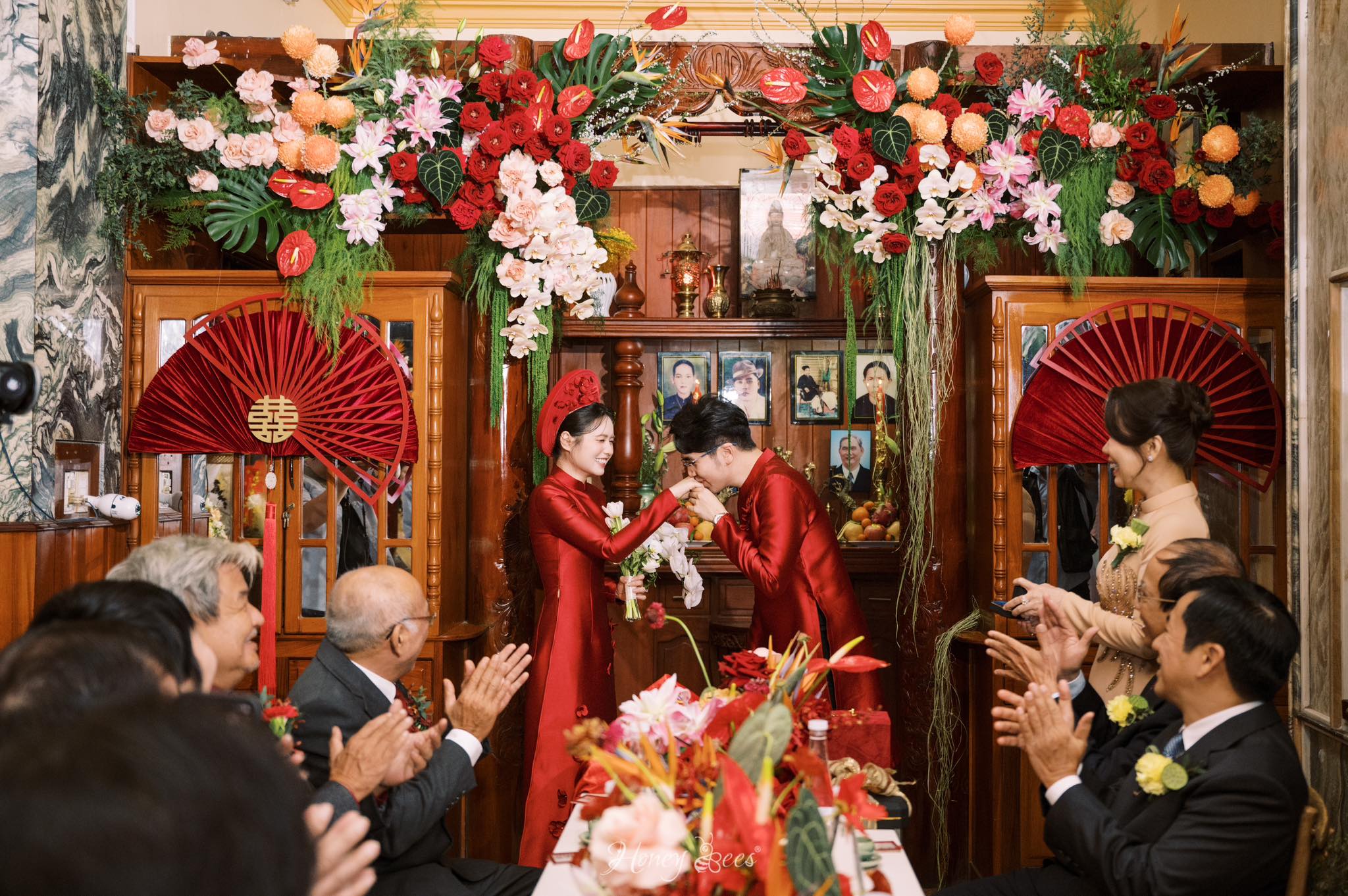
An Overview of the 3 Pillar Ceremonies in Traditional Customs
In Vietnamese tradition, marriage does not unfold in a single day but is an intentional progression, reflecting deep reverence and mindfulness toward the marital bond.
-
The Dạm Ngõ Ceremony – The Preliminary Meeting: This is the first official gathering between the two families, serving as a formal request for the couple to officially court and move toward marriage. While light on rigid protocols, it is highly critical regarding mutual respect and etiquette.
-
The Ăn Hỏi Ceremony – The Betrothal: The engagement ceremony marks the official recognition of the marital alliance by both sides. The groom’s family presents curated betrothal gifts to the bride’s family, formally requesting the future bride. From this milestone, the young woman is embraced as the groom’s family’s future daughter-in-law.
-
The Wedding Ceremony – The Bridal Procession & Nuptials: This is the grandest day when the bride officially moves to her husband’s home, pays respects to the ancestors and relatives, and begins their married life.
Modern Adaptation Note: Today, many families choose to combine the engagement (Ăn Hỏi) and wedding ceremonies into a single day to optimize time and financial resources. This adaptation is entirely fitting, provided it is mutually agreed upon and meticulously prepared by both sides.
Preparing for the Dạm Ngõ Ceremony – A Smooth Beginning
The Significance of Dạm Ngõ
“Dạm Ngõ” acts as a gentle yet deeply respectful introduction: the groom’s family requests permission for the couple to officially pursue marriage. Thus, while it avoids extravagance, it must never be treated carelessly.
Gifts Prepared by the Groom’s Family
Typically, the ceremonial offerings include:
-
An elegant betel nut and leaf set (Cơi trầu cau)
-
A premium pair of teas
-
A premium pair of fine wines
-
Simple artisanal cakes and seasonal fruits
The quantity of these items is traditionally an even number, symbolizing abundance, wholeness, and a perfect pairing.
The Meeting’s Agenda
The elders of both families lead the conversation, understanding each other’s family background, and discussing preliminary details regarding auspicious dates, as well as tentative expectations for the upcoming engagement and wedding ceremonies. The atmosphere should be warm, sincere, and free from rigid formalities.
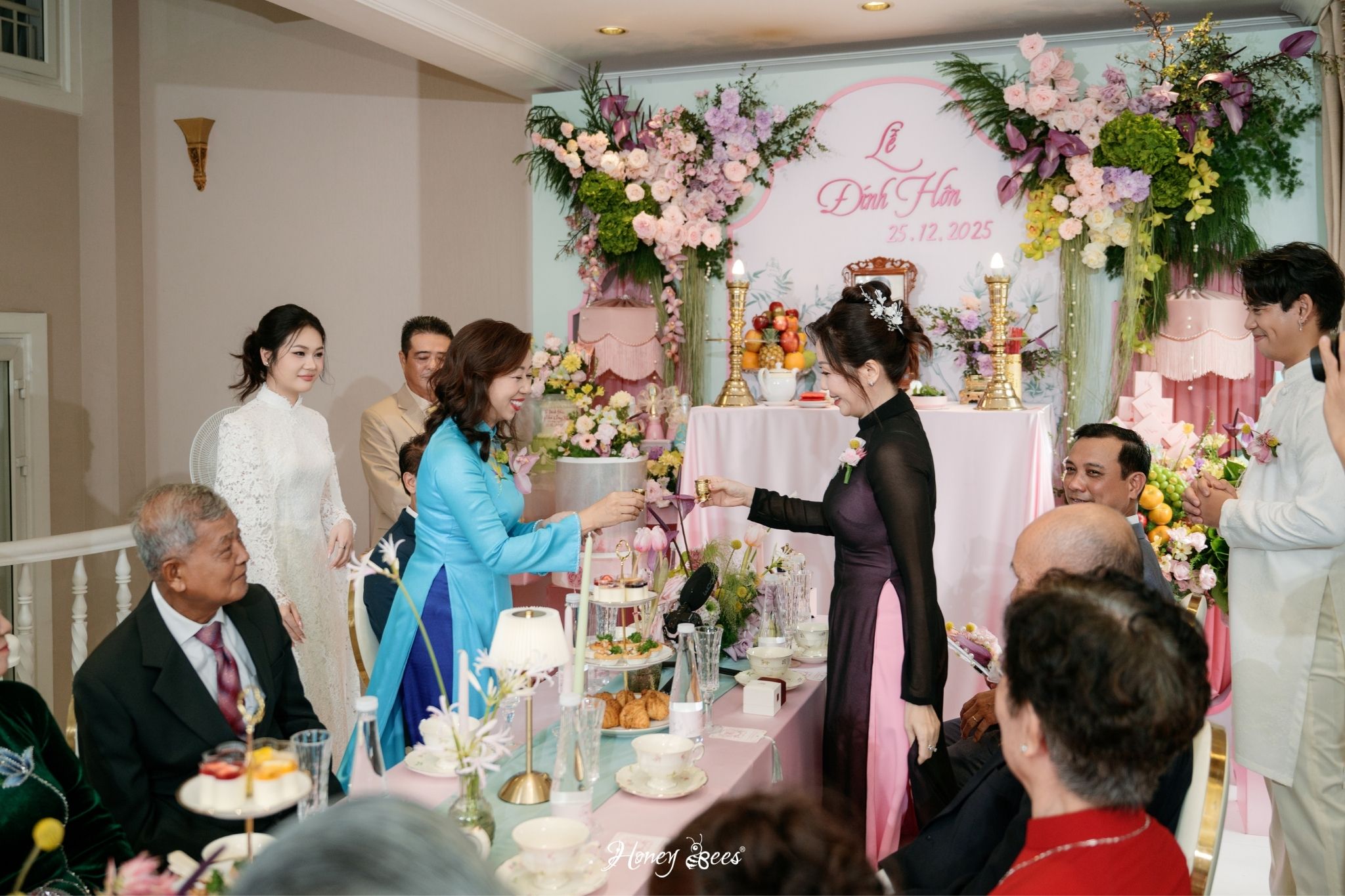
Decoding the Meaning Behind the 6 Southern Wedding Gift Trays
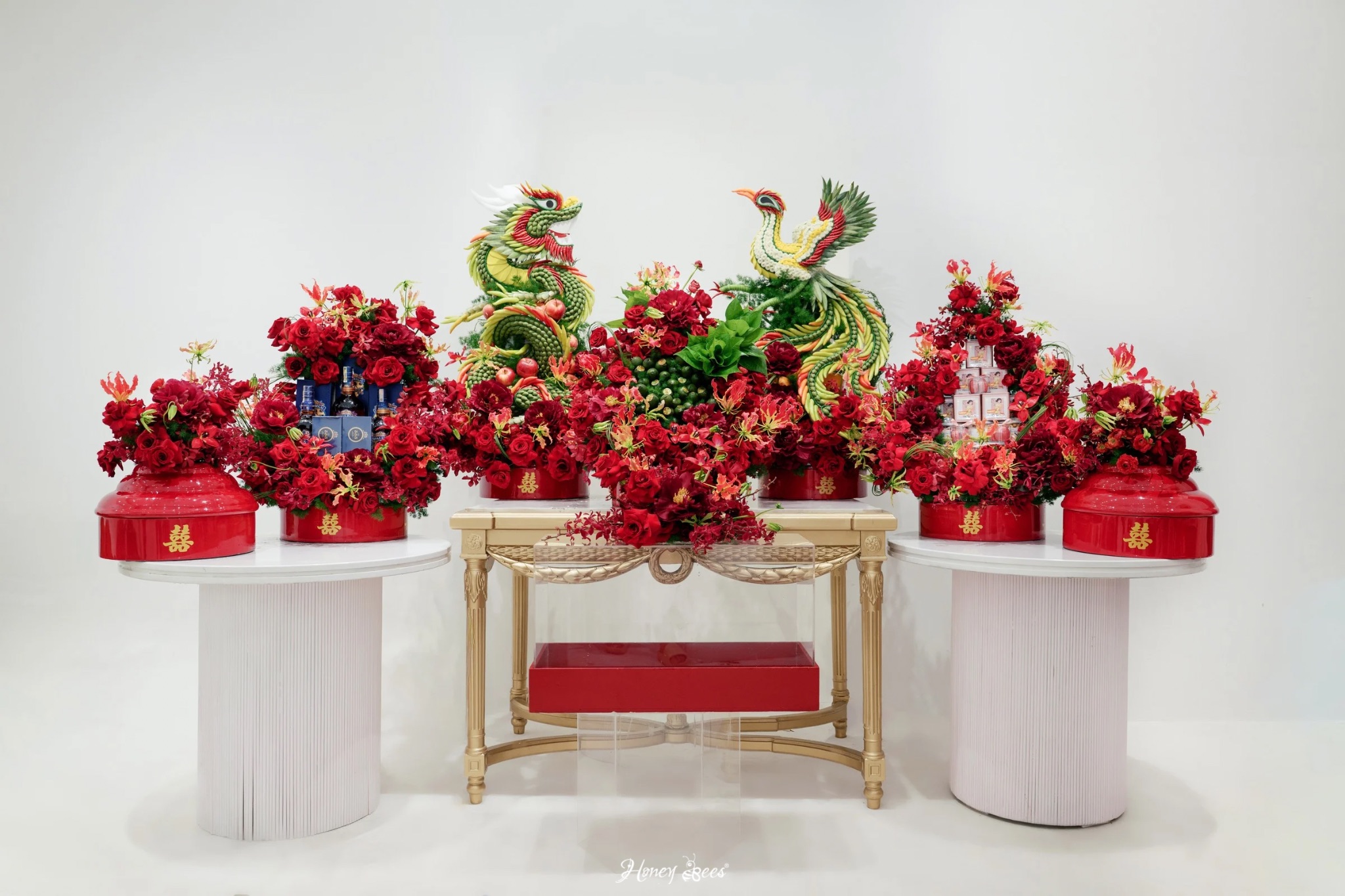
While Northern tradition favors odd numbers, the South holds a deep affection for the number 6—representing wealth, prosperity, and smooth progression (“lộc”). Therefore, in Southern wedding rituals, a 6-tray arrangement (Mâm quả) is the most popular choice carrying beautiful symbolism.
The Symbolism of Each Tray
-
Betel Nuts and Leaves (Trầu Cau): The timeless symbol of an ironclad bond; as the saying goes, “the betel leaf initiates the conversation.”
-
Tea & Wine (Trà – Rượu): Offered to the ancestors, requesting the elders’ sacred witness and blessings for the marriage.
-
Phu Thê (Su Sê) Cakes: Representing the absolute harmony of Yin and Yang, wishing the couple marital concord and fidelity.
-
Red Glutinous Rice (Xôi Gấc): The brilliant red hue symbolizes fidelity, fortune, and long-lasting joy.
-
Fresh Fruits: Representing the sweetness of marriage, wishing for a fruitful family gathering and abundance.
-
Roasted Pig or Boiled Chicken: Embodying prosperity, warmth, and financial security.
Depending on family circumstances and specific local customs, some households may choose to include a 7th tray featuring bridal jewelry or wedding attire.
The Traditional Wedding Sequence – The Day of the Bridal Procession
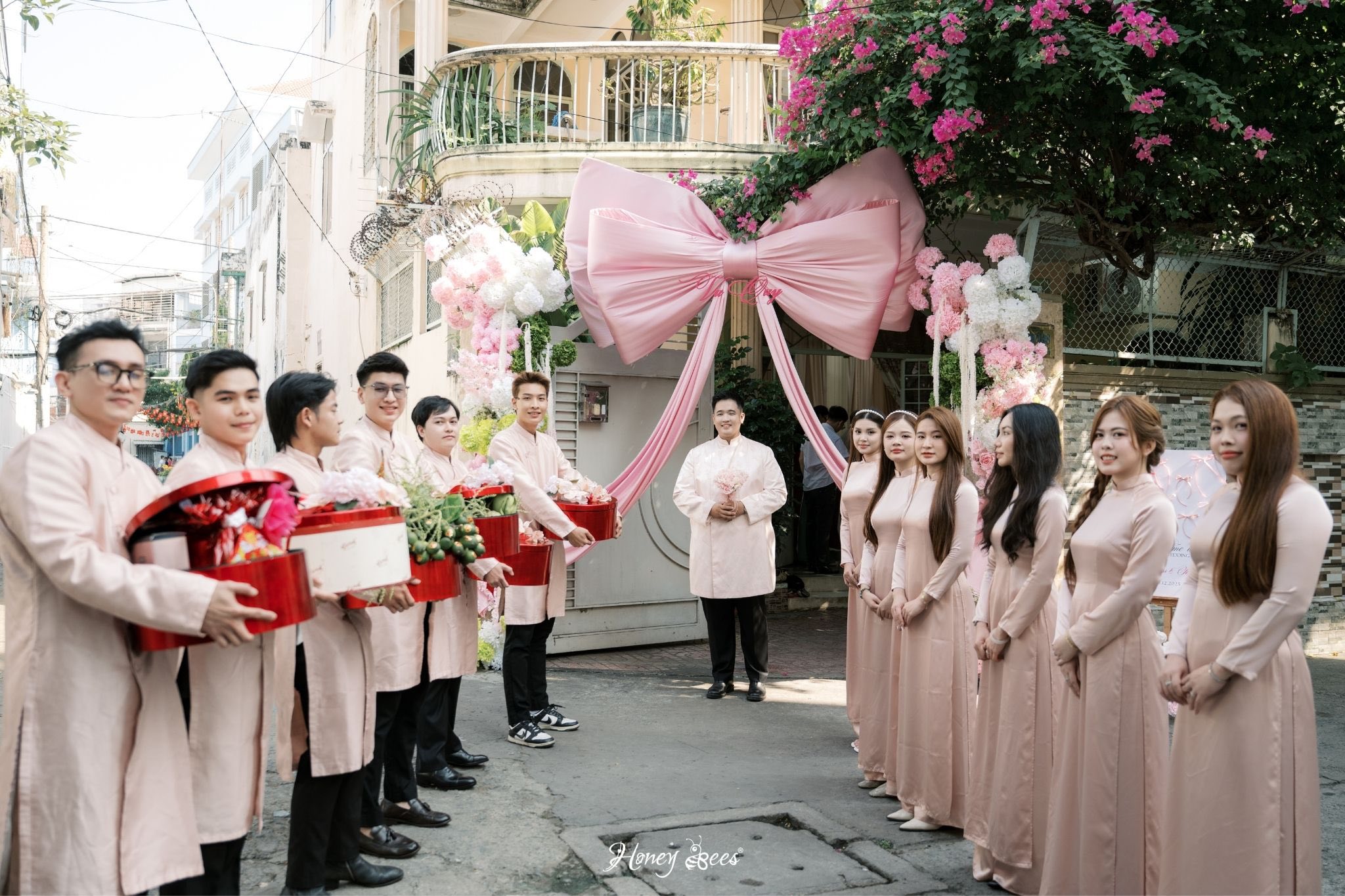
The wedding day is when all rituals are performed with the utmost precision and solemnity.
-
The Preparation: The groom’s family reviews the wedding gifts, ensures the gift-bearers are impeccably dressed, and aligns precisely with the chosen auspicious hour.
-
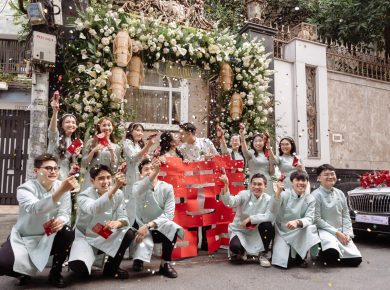
The Arrival & Welcome: The groom’s procession arrives at the bride’s residence, presents the gift trays, and both families exchange formal greetings over tea, introducing their respective members.
-
The Ancestral Ceremony (Lễ Gia Tiên): The bride and groom light incense before the bride’s ancestral altar, bow in reverence, receive heartfelt wisdom from the elders, and exchange wedding rings—the most sacred milestone of the marriage day.
-
The Return of Gifts & Departure (Lại Quả & Rước Dâu): The bride’s family returns a portion of the betrothal gifts to the groom’s family as a gesture of goodwill, formally sending their daughter off. The bride officially accompanies her husband to her new home, embarking on a fresh journey.
Legal Update: Marriage Registration Procedures in 2026
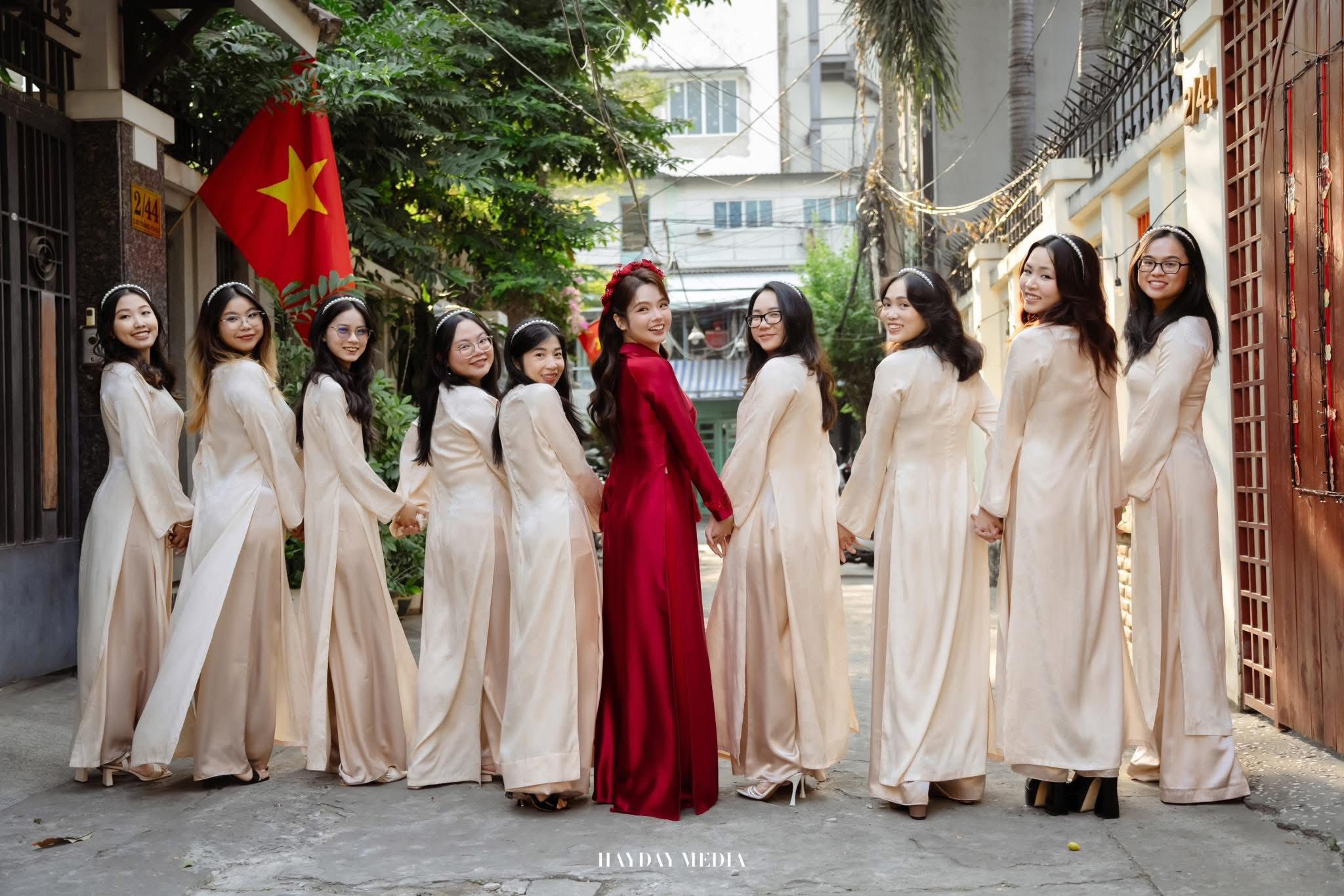
Beyond traditional rites, marriage registration is the mandatory legal step required for your union to be officially recognized by law.
Eligibility Conditions
-
Male must be at least 20 years old; female must be at least 18 years old.
-
Both parties must be single and entering the marriage entirely of their own free will.
Required Documentation
-
Valid Citizen Identity Cards (CCCD)
-
Certificates of Marital Status (Single Status Certificates)
-
The standard Marriage Registration Form
The Process
Submit the documents at the People’s Committee of the commune/ward where either party permanently resides. Currently, in 2026, applications can be conveniently submitted online through the National Public Service Portal. Additionally, couples are encouraged to proactively undergo premarital health screenings to prepare for a healthy, long-term family life.
Starting your happiness
Wedding rituals are never meant to burden the young couple; rather, they are the beautiful vehicle through which our ancestors pass down blessings, validation, and faith in a resilient marriage. Once you grasp the profound meaning behind each rite, the entire preparation becomes significantly lighter and more meaningful.
Whether you require expert guidance on traditional engagement trays or a bespoke, breathtaking setup for your Ancestral Altar decor, HONEY BEES is always honored to companion you through every step of this beautiful journey. Contact us for a consultation here.